
Reviewed · RIGA TOURS
Riga Central Market
Riga Central Market is the place to understand Latvia through its food. In two hours, you move from fish and dairy stalls to fruit stands and a modern food hall, tasting items such as hemp butter, sprats, rye bread, and beer along the way. The tour also explains how Latvian families preserve food through long winters.
I like the broad sample of Latvian cooking, and I like the private format, which lets your group ask questions without being lost in a crowd. Guides Dace and Edgar have led especially warm, personal visits, with Edgar even arranging extra dessert for a hotel afterward. The main drawback is the price: at $77.89 per person, this is not a cheap market walk, so you should arrive hungry and make good use of the tastings.
Key points before you book
- Five food pavilions: Visit separate meat, vegetable, dairy, fish, and gastronomy halls, with samples included.
- Latvian winter traditions: Learn how foods are salted, dried, smoked, fermented, or otherwise stored for colder months.
- Unusual local flavors: Try hemp butter, fried lampreys, salted mushrooms, kvass, sauerkraut, and sprats.
- Private two-hour format: Only your group takes part, giving you room to ask about dishes and customs.
- More than an old market: The visit includes the outdoor stalls and points you toward the nearby Spikeri warehouse district.
- Modern food hall option: Central Gastro Market adds more than 20 food sellers, two bars, and dishes ranging from Latvian fare to ramen and pizza.
Why Riga Central Market is worth your time
Riga Central Market is not simply a place to buy lunch. It is a working food market where daily shopping, farm produce, preserved goods, and newer eating habits share the same address. That makes it useful for you as a visitor because the market gives you a taste of ordinary Latvian life, not just a polished restaurant version of it.
The tour is built around food samples, but the better part is the explanation behind them. You learn why certain foods matter in Latvia, how they appear at holidays and festivals, and how families prepared for winter before modern supermarkets made fresh food available all year.
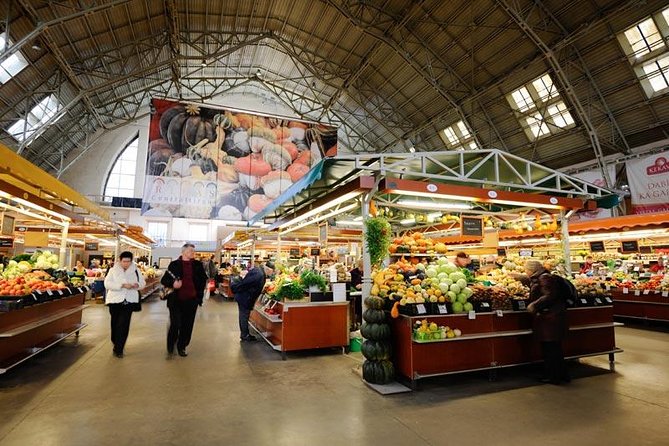
The setting also gives the experience some variety. You are not confined to one hall or one kind of snack. The route covers five traditional pavilions, an outdoor selling area, and the newer Central Gastro Market. The nearby Spikeri warehouses add a short historical extension to the visit.
More riga central market tours in Riga:
- Latvian food tasting tour at Riga Central market
★ 4.5 · 241 reviews - Riga Central Market Traditional Food tasting experience
★ 4.5 · 18 reviews - Fun Walk Private Tour Around Central Market Riga
★ 4.5 · 3 reviews
Five pavilions, five different views of Latvian cooking
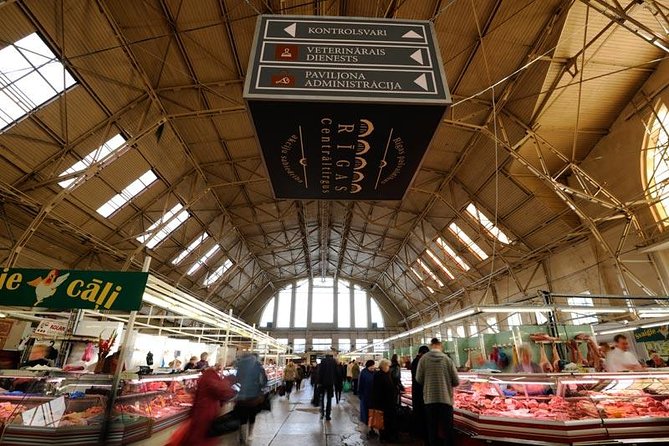
The market’s traditional food area is divided into five pavilions. One focuses on meat, another on vegetables, another on dairy, another on fish, and the fifth on gastronomy products. This arrangement makes the two-hour route easy to follow, and each hall offers a different set of smells, textures, and questions.
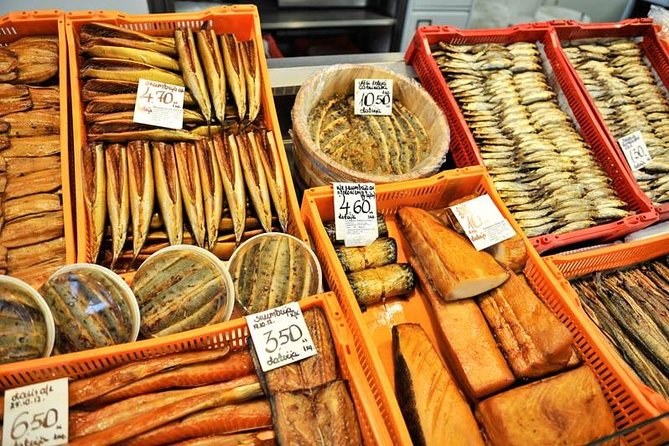
The fish pavilion is especially useful for understanding Latvia’s connection to preserved seafood. Sprats and fried lampreys are among the specialties you may try. Smoked fish and other prepared seafood also appear in the sampling, giving you a direct sense of the salty, smoky flavors that suit northern winters.
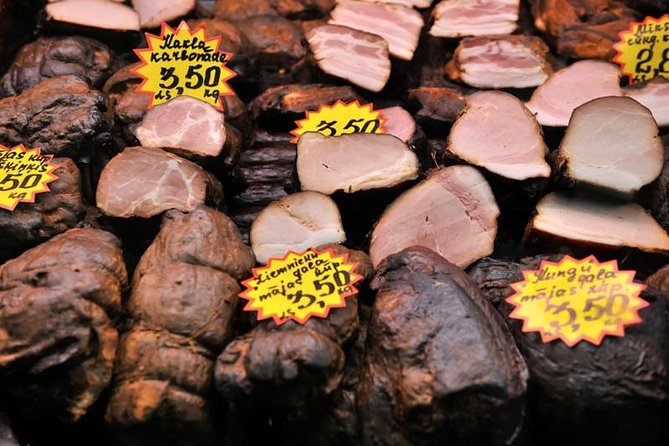
The meat and dairy sections add smoked meats, cheese, and pastries to the mix. You may also encounter honey, sauerkraut, and other foods that are familiar across northern and eastern Europe but have their own Latvian place at the table. The point is not to rush through a checklist. A good guide uses each sample to explain how it is eaten and when it appears.
The vegetable and produce areas show a more practical side of the market. Fresh fruits and vegetables arrive from Latvian farms, along with produce from surrounding countries. Prices are described as competitive, and bargaining may be possible, particularly in the outdoor section. Still, treat bargaining as an option, not an obligation. The pleasure here is seeing what people buy and how the selection changes with the season.
The flavors to expect, from hemp butter to kvass
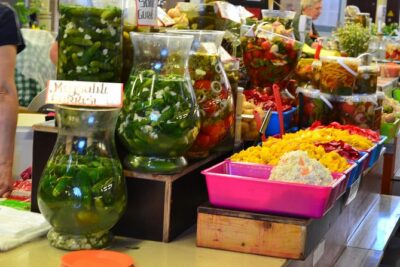
Some of the foods on this tour may be new to you. Hemp butter is one of the more distinctive tastes, and it gives the guide a chance to discuss an ingredient with a long place in local cooking. Rye bread is another central sample, with a darker, heartier character than the soft white loaves common in many countries.
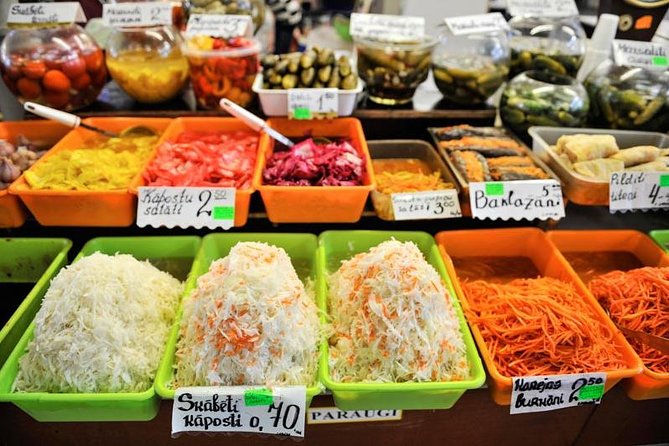
You may taste salted and dried mushrooms, honey, sauerkraut, and kvass. Kvass is a fermented bread drink with a mild, earthy quality. It is not a beer substitute, but it belongs to the same broad family of old-fashioned refreshments that make a food tour more interesting than a standard restaurant meal.
Beer is also part of the experience, with a tasting at Labietis specifically praised for its quality. The tour can include sweet items as well as savory food, including pastries and desserts. One useful detail from the guide experience is that Edgar noticed which dessert his group liked best and bought more for them to take back to their hotel. That sort of small response is one reason a private visit can feel more personal than a fixed group route.
Arrive hungry. Samples include smoked meats, cheese, fish, vegetables, pastries, desserts, and drinks. The precise selection can change, so do not book this expecting one guaranteed menu. Think of it as a guided tasting across the market’s main food groups.
Food traditions shaped by long Latvian winters
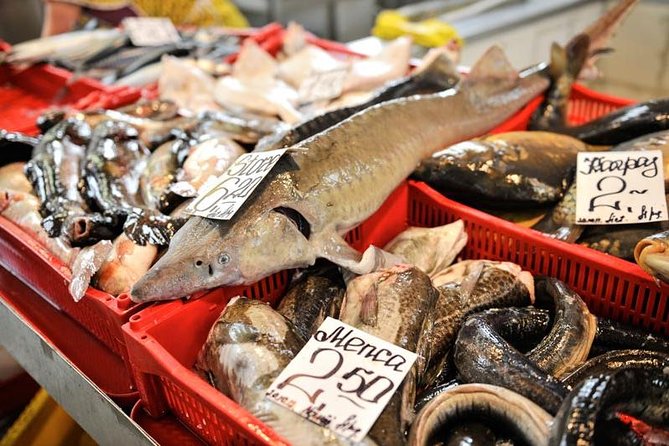
The most valuable part of the visit may be the explanation of preservation. Latvian households have long needed ways to keep food through winter, and the tour connects ordinary market products with that practical problem.
Salting, drying, smoking, fermenting, and storing vegetables are not abstract customs here. They explain why dried mushrooms, sauerkraut, smoked meats, fish, and rye-based foods matter. You also hear about foods prepared for holidays and festivals, which helps connect market stalls to the annual calendar.
I find this cultural context more useful than a simple list of ingredients. A sample of sauerkraut is easy to forget. A sample accompanied by an explanation of how families stored food for winter, or served it during a holiday, gives the taste a place in Latvian life.
The tour also discusses food preferences and where they come from. That matters if you want to understand Latvia beyond its architecture and museums. Food shows how climate, farming, trade, and family habit shape a country’s everyday identity.
Same city, a completely different kind of day:
- Riga Old Town walking tour
★ 4.5 · 304 reviews - 2 countries! Hill of Crosses, Rundale Palace and Bauska castle
★ 5.0 · 225 reviews - Discover Riga Bike Tour
★ 5.0 · 166 reviews - From Riga: Husky Sledding or Wheel Kart Tour
★ 4.9 · 155 reviews
Outdoor stalls and the walk toward Spikeri
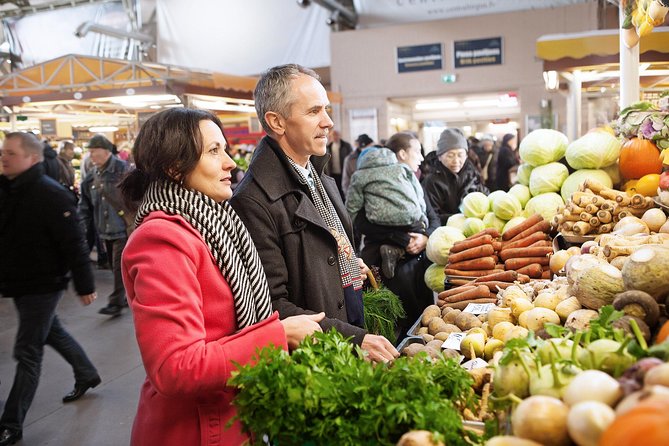
After the indoor pavilions, the outdoor area changes the mood. Here you find fruit, vegetables, garden plants, and flour, along with small kiosks selling souvenirs, clothing, perfume, knitwear, amber jewelry, and other goods.
This section is less focused on tasting and more useful for browsing. You can compare the produce with what you saw inside, look for a small edible purchase, or simply watch the market function as a local shopping center. Fresh goods from Latvian farms are part of the appeal, and the information notes that bargaining may be possible.
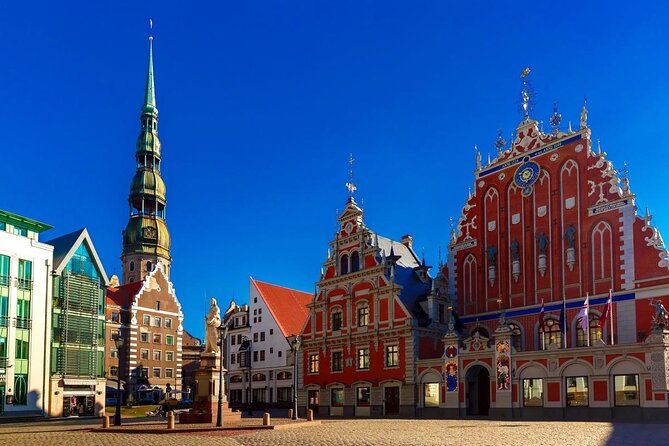
A few minutes from the market are the historic Spikeri warehouses. Thirteen of the original warehouses survive today. The tour points you toward this district, making it easy to add a short independent look after the market portion.
Do not expect a separate, lengthy warehouse tour. Spikeri works best as a nearby extra, especially if you enjoy industrial buildings and city districts that have retained older commercial traces. The market remains the main event.
Central Gastro Market, where old meets new
Central Gastro Market offers a clear contrast with the traditional pavilions. The newer section has more than 20 food sellers and two bars, with choices that include Latvian dishes, burgers, pizza, ramen, Thai food, and other casual meals.
This is a good place to understand how Riga eats today. The older halls focus on ingredients and established market habits. The gastro section is more modern and restaurant-like, with a wider range for people who want a prepared meal rather than a sample of preserved fish or rye bread.
That contrast is useful, but it can also make the experience feel less distinctly Latvian if you spend too much time there. The modern food hall is included because it adds choice, not because every dish reflects local cooking. I would give the traditional pavilions priority, then use the gastro area to finish with a drink or a meal that suits your taste.
The two bars are handy if your group has mixed preferences. One person can try a Latvian specialty while another chooses pizza or ramen. That flexibility makes the route easier for couples and families with different appetites.
How the private format affects the experience
This is a private activity, so only your group participates. That matters at a market, where the best questions often come up suddenly. You can ask what a product is, how it is preserved, or why it appears at a holiday without waiting for a large group to catch up.
The private format also makes the tasting pace more adaptable. A group that loves fish can spend longer in that area. A group more interested in produce, sweets, or beer can guide the conversation in another direction. The tour still lasts about two hours, so it is not an unlimited market visit, but it should feel less mechanical than a large scheduled group.
Dace and Edgar are two guides associated with particularly personal visits. Dace has led tastings centered on traditional foods that many visitors would not have tried alone. Edgar has explained cuisine, customs, and holiday foods while presenting samples across a wide range of categories. The booking information lists English as the offered language, so confirm language details if you have a special request.
The tour is also suitable for most people and begins and ends at Riga Central Market. Public transportation is nearby, which makes the meeting point practical for a city day.
Is $77.89 good value for two hours?
At $77.89 per person, the tour costs more than simply walking through the market and buying a few snacks yourself. You are paying for the guide, the included samples, the cultural explanation, and the private format.
The value improves if you are curious about food but do not know what to choose. Hemp butter, fried lampreys, salted mushrooms, kvass, and regional preserved foods are not always obvious purchases for a first-time visitor. A guide removes that uncertainty and helps you understand what you are tasting.
The price is harder to justify if you only want a quick market look or a full meal. You can explore the halls independently, and the Central Gastro Market offers many prepared-food choices. I would book the tour when the stories behind the food matter as much as the food itself, especially if you are traveling with a small private group and want a focused introduction to Latvian cuisine.
Group discounts may lower the cost for some bookings. The activity also includes a mobile ticket, and confirmation arrives within 48 hours, subject to availability.
Timing, booking, and practical details
The listed operating schedule is Monday through Friday, from 11:00 a.m. to 6:00 p.m. The tour lasts about two hours, so a late afternoon start leaves less time afterward for a relaxed meal or a visit to Spikeri.
Start and finish at Riga Central Market, Rīgas Centrāltirgus, Latgales priekšpilsēta, Rīga, LV-1050, Latvia. Since the activity ends at the meeting point, you can continue shopping or eating there after the guide leaves.
Most people can take part, and the market is near public transportation. You should still plan for a food-focused outing rather than a seated restaurant meal. Samples arrive as you move among the stalls, so a light breakfast or early meal will help you appreciate more of the tasting.
Free cancellation is available up to 24 hours before the local start time for a full refund. Changes or cancellations made inside that 24-hour window are not accepted for a refund.
Who should book this market tour?
I would recommend it to first-time visitors who want a quick introduction to Latvian food and customs. It also suits anyone who normally walks through a market without knowing what to buy. The guide gives you a reason to pause at unfamiliar products instead of passing them by.
Food-focused couples, small families, and private groups should benefit from the format. The mix of smoked meat, cheese, fish, produce, sweets, and drinks gives different appetites something to enjoy. The Central Gastro Market is especially useful when your group cannot agree on one kind of food.
I would be more cautious if you have strict dietary needs, since the available information does not provide a full ingredient list or a guaranteed menu. I would also skip it if you want a long historical tour of Riga. The market’s cultural background is strong, but the main focus is tasting and food traditions.
Should you book Riga Central Market?
Book it if you want local food with context, not just a stroll past stalls. The combination of five pavilions, winter preservation stories, unusual Latvian specialties, outdoor produce, and the modern gastro hall gives you a well-rounded look at Riga’s food culture in about two hours.
At $77.89, the experience needs to be more than a snack stop to feel worthwhile. Come hungry, ask questions, and use the private format. If you prefer to browse independently and spend only a few euros on samples, explore the market on your own. If you want help finding the foods you might otherwise miss, this is a practical and tasty introduction to Latvia.
FAQ
Where does the Riga Central Market tour start?
It starts at Riga Central Market, Rīgas Centrāltirgus, Latgales priekšpilsēta, Rīga, LV-1050, Latvia.
Where does the tour finish?
The activity ends back at the meeting point at Riga Central Market.
How long does the tour last?
The tour lasts approximately two hours.
What foods can I taste?
Included samples may include hemp butter, rye bread, fried lampreys, sauerkraut, kvass, honey, salted and dried mushrooms, smoked meats, cheese, fish, pastries, vegetables, desserts, and drinks.
Is the tasting included in the ticket?
Yes. Food samples from the market’s five food pavilions are included.
What language is offered?
The listed tour language is English.
Is this a private tour?
Yes. Only your group participates in the activity.
What is the cancellation policy?
You can cancel up to 24 hours before the local start time for a full refund. Cancellations or changes made less than 24 hours before the start are not accepted for a refund.
Just added around Riga
- Taste Riga – Private Tour of Latvian Flavour★ 5.0 · 5 reviews
- Ultimate Art Nouveau Experience in Riga – Private Tour★ 5.0 · 4 reviews
- Private Sightseeing Tour in Sigulda★ 5.0 · 4 reviews
- Sunrise at Kemeri National Park – Small Group★ 5.0 · 5 reviews
- CITY QUEST RIGA: unlock the mysteries of this city!★ 4.0 · 5 reviews
- Rundale Palace and Bauska Castle from Riga★ 5.0 · 3 reviews
- Riga Shooting Range Trapitava★ 5.0 · 7 reviews
- Riga’s Architecture: A self-guided audio tour of the city’s art nouveau history★ 5.0 · 3 reviews
Riga Tours, compared.
Latvian food tasting tour at Riga Central market
Read our review →
2 countries! Hill of Crosses, Rundale Palace and Bauska castle
Read our review →


Riga Gun Range: shooting with Winchester, Glock17, & Kalashnikov
Read our review →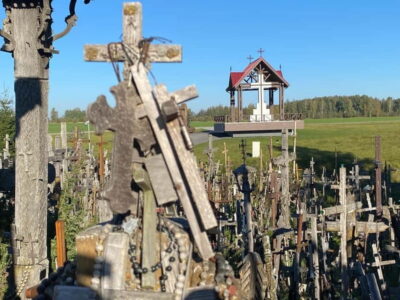
Hill of Crosses, Guided Rundale Palace & Bauska Castle
Read our review →Browse the lists this tour appears in